Astrid and Juanito Camilleri gave life to the Ta’ Betta project in 2002 after Patrick Xerri, the estate’s viticulturalist, introduced them to Vincenzo Melia.
Together they embarked on a journey to realise a dream: that of making fine wines with personality and aging potential, which embody the terroir of a four-hectare estate, in Girgenti limits of Siġġiewi, Malta.
The choice of name for their brand reflects the passion that drives them. The estate was named after Bettina their daughter born only months earlier: Ta’ in Ta’ Betta, meaning “belonging to”.
The logo depicts a girl reaching out to a vine, to a future in wine making perhaps?
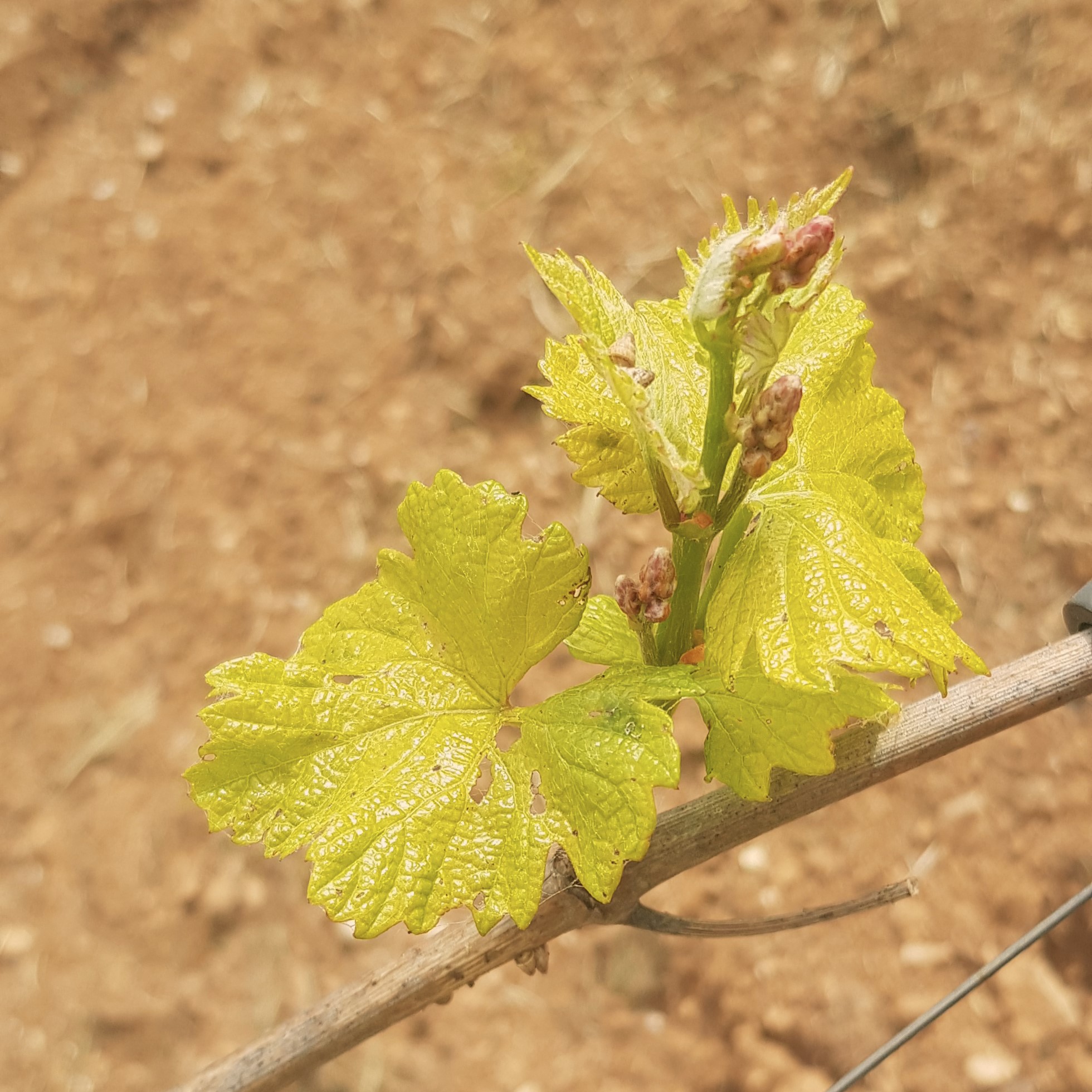
In 2003, having embellished and re-scoped the newly acquired land, and its rubble walls to prevent soil erosion, the first vines, imported from France, started to be planted. Carefully selected clones of noble grape varietals: Merlot, Cabernet Sauvignon, Cabernet Franc, Syrah, and after some prolonged debate Chardonnay.
Astrid and Juanito Camilleri gave life to the Ta’ Betta project in 2002 after Patrick Xerri, the estate’s viticulturalist, introduced them to Vincenzo Melia.
Together they embarked on a journey to realise a dream: that of making fine wines with personality and aging potential, which embody the terroir of a four-hectare estate, in Girgenti limits of Siġġiewi, Malta.
The choice of name for their brand reflects the passion that drives them. The estate was named after Bettina their daughter born only months earlier: Ta’ in Ta’ Betta, meaning “belonging to”.
The logo depicts a girl reaching out to a vine, to a future in wine making perhaps?
In 2003, having embellished and re-scoped the newly acquired land, and its rubble walls to prevent soil erosion, the first vines, imported from France, started to be planted. Carefully selected clones of noble grape varietals: Merlot, Cabernet Sauvignon, Cabernet Franc, Syrah, and after some prolonged debate Chardonnay.